As businesses increasingly rely on Customer Relationship Management (CRM) systems for managing client interactions and data, integrating AI agents into these platforms has emerged as a transformative strategy. AI CRM integration enhances customer interactions and offers significant automation benefits, streamlining workflows and improving overall operational efficiency.
In this article, we will explore the impact of AI on CRM systems, share real-world case studies of successful AI integration, and provide a step-by-step guide on how to effectively incorporate AI agents into your existing CRM. Finally, we will discuss how SamSiyu can help customize AI solutions tailored to your specific business needs.
Overview of CRM Systems
CRM systems serve as central hubs for managing customer relationships, storing client information, tracking interactions, and facilitating sales processes. Popular platforms like Salesforce, HubSpot, and Zoho collect and analyze data to support businesses in making informed decisions. These systems are designed to improve customer satisfaction by providing businesses with tools for personalized communication, effective management of leads, and enhanced reporting capabilities.
Impact of AI Automation on Customer Relationships
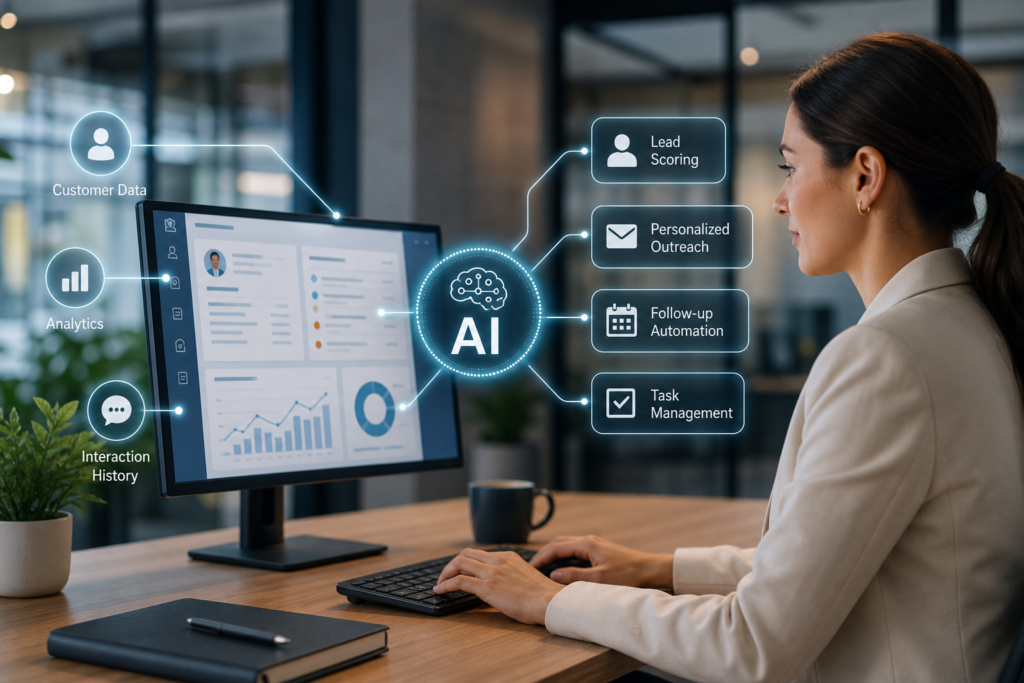
The integration of AI agents into CRM systems brings forth numerous advantages that can significantly improve customer relationships. Here’s how:
- Personalized Customer Interactions: AI agents can analyze customer data to provide tailored recommendations, ensuring that communications are relevant and timely.
- 24/7 Support: AI-powered chatbots can deliver immediate responses to customer inquiries, eliminating long wait times and enhancing customer satisfaction.
- Data Analysis and Insights: AI tools can sift through vast amounts of data to identify patterns and trends, helping businesses better understand their customers’ needs.
- Task Automation: Routine tasks such as data entry or follow-up emails can be automated, freeing up valuable time for sales teams to focus on more strategic activities.
Case Studies of Successful AI Integration
To illustrate the transformative potential of AI in CRM, let’s explore a few case studies from diverse industries:
E-commerce: Enhancing Customer Experience
In an online retail environment, a company integrated an AI-powered chatbot with their CRM system which guided customers through their shopping experiences. This integration enabled the chatbot to offer personalized product recommendations based on previous purchases and browsing behavior. As a result, the company saw a 30% increase in conversion rates and improved customer satisfaction scores.
Healthcare: Streamlining Patient Management
A healthcare provider implemented an AI agent that connected with their CRM to manage patient appointments and inquiries. This solution allowed for instant appointment confirmations and follow-ups, ultimately reducing the administrative burden on staff and improving patient engagement. The provider reported a significant drop in no-show rates for appointments.
Real Estate: Accelerating Lead Qualification
In the real estate sector, an agency utilized AI integration to qualify leads. The AI agent was programmed to analyze interactions and prioritize leads based on predefined criteria. This automation led to a 40% increase in the number of qualified buyers, enabling agents to engage more effectively with high-potential clients.
Steps to Integrate AI with CRM
Integrating AI agents with your CRM can seem daunting, but following a systematic approach can facilitate a seamless transition. Here are the essential steps to achieve successful integration:
- Assess Your Needs: Identify specific workflows that could benefit from AI automation and determine desired outcomes.
- Select the Right AI Agent: Choose an AI solution that complements your existing CRM system and meets your specific business requirements.
- Map Integration Processes: Work with technical teams to outline how the AI agent will interact with your CRM, including data flow and user interfaces.
- Test and Iterate: Before full deployment, run trials to gauge performance, gather user feedback, and make necessary adjustments to optimize functionality.
- Train Your Team: Ensure that your team understands how to leverage the new AI capabilities effectively for maximum benefit.
FAQ
What types of AI agents can be integrated with CRM systems?
Various AI agents can be integrated, including chatbots for customer support, recommendation systems to suggest products or services, and data analysis tools that provide actionable insights based on customer data.
What are the costs associated with integrating AI with CRM?
The costs vary depending on factors such as the complexity of the integration, the AI solution chosen, and the specific customizations required. It’s essential to conduct a thorough assessment to budget accordingly.
How long does the integration process typically take?
Integration timeframes can vary widely but may take from a few weeks to several months, depending on the extent of customization and testing needed.
Your Next Steps Towards AI Integration
Integrating AI agents with your CRM system opens doors to enhanced customer interactions, workflow optimization, and substantial automation benefits. By closely examining successful case studies and following a structured integration plan, you can elevate your business operations.
If you’re considering how AI can improve your workflows, contact SamSiyu today to discuss your AI agent idea. Share your repetitive, manual, or fragmented workflows with our team, and we’ll evaluate how a custom AI agent could streamline your processes and enhance efficiency.