In today’s fast-paced logistics environment, businesses are constantly seeking ways to enhance operational efficiency and streamline their processes. The integration of artificial intelligence (AI) into logistics management is proving to be a game-changer, offering innovative solutions to common challenges faced in the industry. From route optimization to inventory control and shipment tracking, AI logistics automation enables companies to respond quicker and more effectively to market demands.
This article delves into the specific benefits of AI agents in logistics management, demonstrating how businesses can leverage these technologies to minimize costs, reduce manual labor, and improve overall service quality.
Overview of Logistics Challenges
The logistics industry is beset with a myriad of challenges that hinder efficiency and inflate operational costs. Some prevalent issues include:
- Route Planning: Inefficient routing can lead to excessive fuel consumption and missed delivery windows.
- Inventory Management: Overstocks and stockouts can disrupt the supply chain and lead to lost sales.
- Real-Time Tracking: Lack of visibility can impede decision-making and reduce customer satisfaction.
- Labor Management: High turnover rates and lack of skilled labor can affect operational productivity.
Addressing these issues requires a multifaceted approach that harnesses technology to create smarter, more adaptive logistics operations.
How AI Agents Improve Efficiency
AI agents are designed to automate various aspects of logistics management, drastically improving efficiency. Here are some ways in which AI contributes:
Route Optimization
By analyzing historical traffic patterns, weather conditions, and delivery schedules, AI agents can determine the most efficient routes for shipments. This functionality not only reduces travel time and costs but also improves fuel efficiency, thereby mitigating the environmental impact of logistics operations.
Inventory Control
AI can forecast demand by analyzing trends and historical data. This helps in maintaining optimal inventory levels, minimizing the costs associated with holding excess stock, and ensuring that inventory is available when needed. Businesses can utilize inventory AI to automate reordering processes, resulting in a more agile supply chain.
Shipping Logistics
AI-powered systems can provide real-time shipment tracking, offering visibility to both businesses and customers. This transparency enhances customer satisfaction by keeping clients informed and allows businesses to quickly address any shipment issues as they arise.
Enhanced Decision-Making
The ability to gather and analyze vast amounts of data means that AI agents can provide actionable insights for logistics managers. From identifying inefficiencies to predicting potential disruptions, AI solutions facilitate more informed decision-making.
Real-World Applications in Logistics
To illustrate the potential of AI logistics automation, consider the following real-world applications:
Case Study: Route Optimization
A leading delivery service implemented an AI agent that analyzed real-time traffic and weather data to optimize delivery routes for its fleet. As a result, the company reduced average delivery times by 20%, leading to increased customer satisfaction and lower operational costs.
Case Study: Inventory Management
A major retailer adopted AI-driven inventory management software that utilized predictive analytics to forecast consumer demand. This implementation resulted in a 30% reduction in excess inventory and a 15% increase in sales conversion rates, as stockouts became less frequent.
Case Study: Enhanced Visibility
A logistics firm integrated an AI-based tracking system that provided real-time updates on shipment locations and expected delivery times. Customer complaints dropped by 50% as clients appreciated the improved communication and accuracy in delivery estimates.
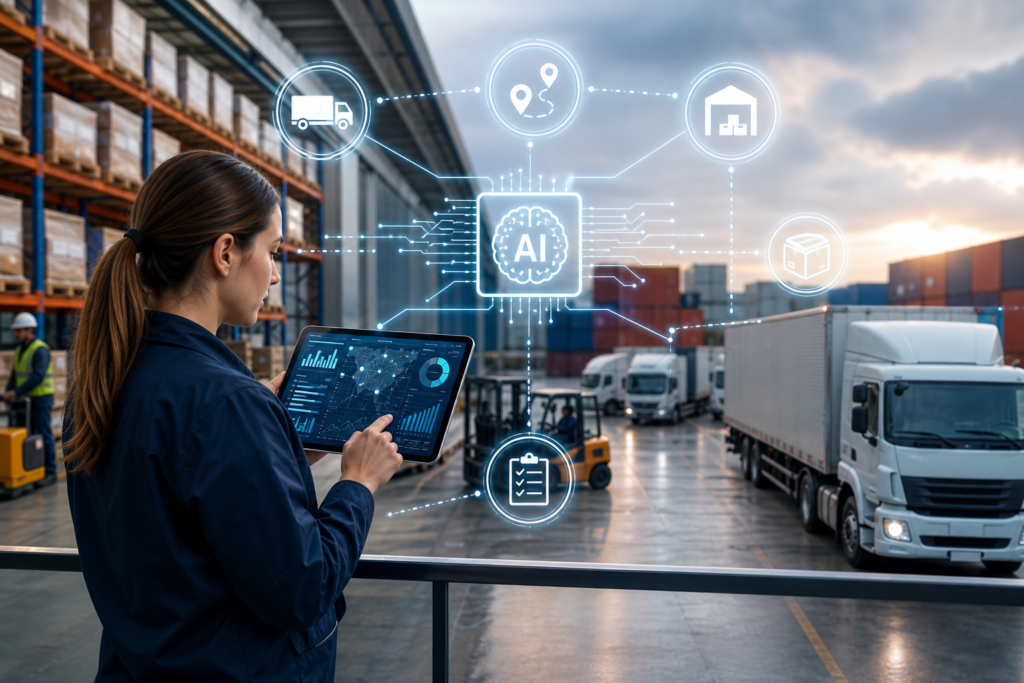
Implementing AI Solutions in Your Operations
Integrating AI agents into existing logistics operations requires careful planning and execution. Here are some steps to consider:
Evaluate Current Processes
Identify repetitive and time-consuming workflows that could benefit from automation. Understanding current pain points will help in selecting the right AI solutions to implement.
Choose the Right Technology Partner
Engage with a technology provider experienced in AI logistics automation. Collaborating with a specialist like SamSiyu can help tailor solutions to meet your unique business needs.
Training and Change Management
Ensure that your team is adequately trained to use the new systems. Effective change management strategies will help staff adapt to new technologies and maximize their benefits.
Measure and Optimize
Regularly assess the performance of AI agents and make necessary adjustments. Continuous improvement is key to maintaining operational efficiency in a fast-evolving industry.
FAQ
What is AI logistics automation?
AI logistics automation refers to the application of AI technologies to streamline and enhance various logistics processes, including routing, inventory management, and shipment tracking.
How does AI improve route planning?
AI improves route planning by analyzing data such as traffic patterns and delivery schedules to recommend the most efficient routes, reducing travel time and fuel costs.
Can AI help with inventory management?
Yes, AI can analyze historical data and forecast demand, optimizing inventory levels and automating reordering processes to prevent overstock and stockouts.
What are the benefits of real-time shipment tracking?
Real-time shipment tracking enhances visibility, improves customer satisfaction, and allows for quick resolution of any potential issues that may arise during transit.
How do I start implementing AI agents in my logistics operations?
Begin by evaluating your current processes and identifying areas for improvement. Partner with a knowledgeable technology provider and invest in training for your team to effectively integrate AI solutions.
Embracing the Future of Logistics with AI
The potential of AI agents in logistics management is vast, offering numerous opportunities to boost operational efficiency and enhance service delivery. As the industry continues to evolve, businesses that adopt AI logistics automation will not only gain a competitive edge but also improve customer satisfaction and reduce costs.
If you are considering how AI agents could revolutionize your logistics operations, talk to SamSiyu about a custom AI agent tailored to your specific needs. Share your unique challenges, and let SamSiyu evaluate how automation could streamline your workflows and enhance efficiency.