Introduction to System Integration Challenges
Integrating multiple business systems can be a daunting task for any organization. Some common challenges include:- Data Silos: Different departments often use separate systems, leading to isolated data that is hard to access and analyze.
- Incompatibility: Various systems may not be designed to work together, making integration complex and time-consuming.
- Manual Processes: Many organizations still rely on manual data entry and transfer, creating room for errors and slowing down operations.
- Lack of Standardization: Disparate systems can lead to inconsistencies in processes and data formats, hindering communication and efficiency.
Benefits of AI Agents in Connecting Systems
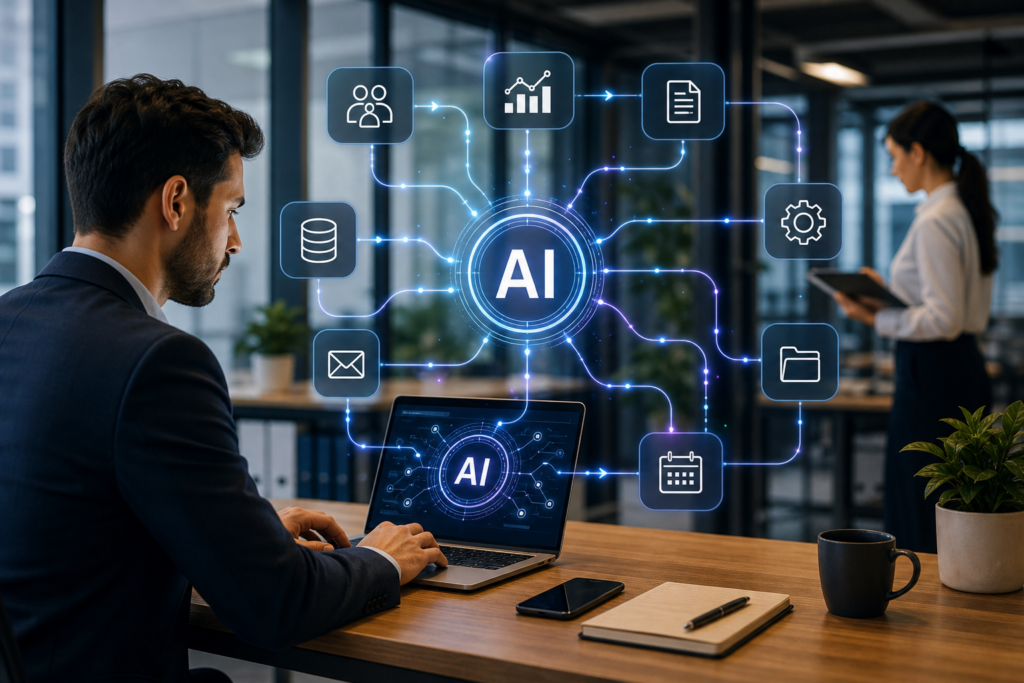
Integrating AI agents within your business systems brings a myriad of advantages:- Automation of Repetitive Tasks: AI can handle routine tasks such as data entry, notification sending, and report generation, freeing up human resources for more strategic initiatives.
- Real-time Data Access: AI agents can integrate diverse data sources and provide real-time insights, enabling informed decision-making.
- Improved Workflow Efficiency: AI helps streamline processes, reduces bottlenecks, and optimizes task allocations across departments.
- Enhanced Communication: With AI-powered integration, various systems can interact seamlessly, ensuring that data flows effortlessly between them.
Case Studies of Successful Integrations
Several businesses have successfully navigated the integration landscape with the help of AI. Here are a couple of notable examples:E-commerce Platform Optimization
An e-commerce company struggled with fragmented customer data spread across multiple tools—CRM software, email marketing platforms, and inventory management systems. By implementing an AI agent, they were able to connect these systems, automating the sync of customer interactions and inventories. This not only reduced human error but also improved the customer experience through personalized recommendations and timely communication.Healthcare Workflow Integration
A healthcare clinic faced challenges with patient management due to outdated systems. The introduction of AI agents helped in the integration of appointment scheduling, patient records, and billing systems. By automating these workflows, the clinic enhanced patient care and improved operational efficiency, leading to better patient satisfaction.Best Practices for Implementation
To effectively implement AI system integrations, consider the following best practices:- Identify Objectives: Clearly define what you want to achieve with the integration, whether it’s improved efficiency, data accuracy, or enhanced customer service.
- Assess Existing Systems: Evaluate the current tools in use and identify which are conducive to integration and which may need replacement or upgrading.
- Choose the Right AI Solutions: Not every AI solution is suitable for every business. Assess options based on scalability, compatibility, and functionality.
- Involve Stakeholders: Engage department heads and key users early in the process to ensure the solutions meet their operational needs and improve buy-in.
- Monitor and Adapt: After implementation, continually assess the integration’s effectiveness and adjust processes as necessary to ensure optimal performance.
How SamSiyu Can Help with Integration Solutions
SamSiyu specializes in crafting tailored AI solutions that enhance business process automation, with a strong focus on system integration. Our team evaluates your existing workflows, identifies areas for improvement, and designs custom AI agents aligned with your specific business needs. Whether it’s optimizing customer support through integrated systems or connecting disparate tools for better data flow, we provide the expertise necessary to enable your digital transformation.Talk to SamSiyu about a custom AI agent for your business. Share your specific challenges and workflows, and let us evaluate how our solutions can optimize your operations.Frequently Asked Questions
What is AI system integration?
AI system integration involves connecting various software applications and tools using AI-driven agents to streamline processes, enhance data flow, and automate repetitive tasks.
How can AI improve my business operations?
AI can automate repetitive tasks, ensure data consistency across systems, enhance communication, and provide actionable insights, leading to increased efficiency and productivity.
Is system integration costly?
The cost of system integration can vary depending on the complexity of existing systems and desired outcomes. However, the long-term savings and efficiency gains often outweigh initial investment costs.
By understanding the importance of AI integration and working with a trusted partner like SamSiyu, businesses can unlock new levels of efficiency and cohesiveness in their operations, ultimately leading to enhanced performance and customer satisfaction.