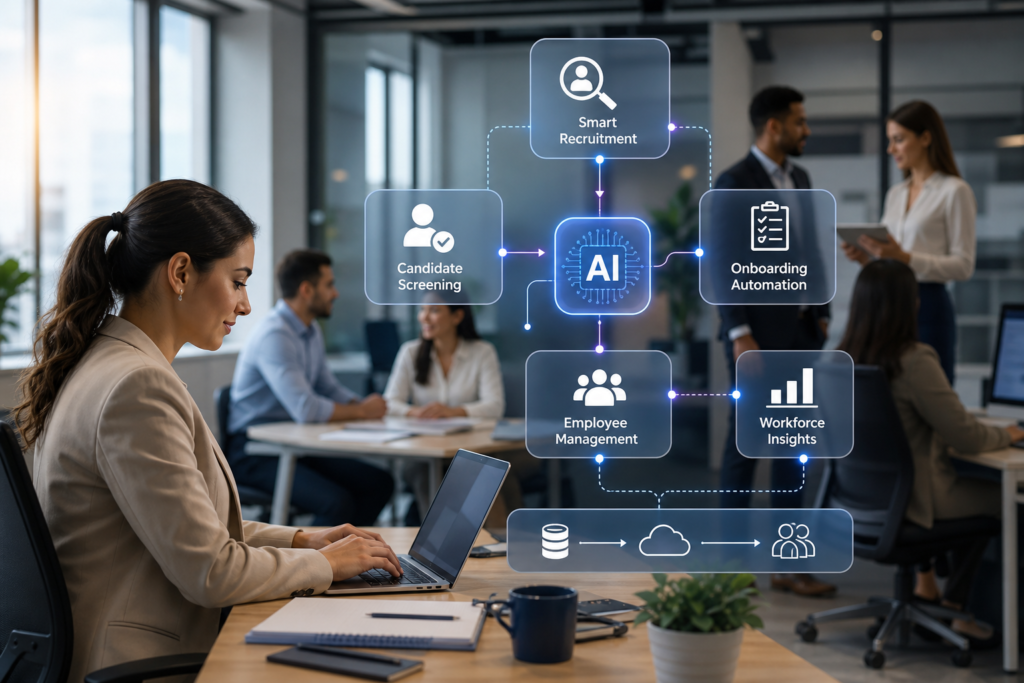
In today’s fast-paced business environment, human resources (HR) departments face numerous challenges that can hinder their efficiency. From time-consuming recruitment processes to managing employee onboarding and ongoing employee management, HR teams often find themselves overwhelmed with repetitive tasks. This is where AI agents come in, offering innovative solutions that not only streamline these processes but also enhance overall productivity by minimizing manual interventions.Utilizing AI in HR is no longer just a trend; it is becoming a necessity for organizations aiming to stay competitive. AI agents can handle various HR functions effectively, facilitating better decision-making and improving employee satisfaction. Below, we explore the different roles AI agents can play in the HR domain, supported by real-world examples and actionable workflows.
HR Challenges That Call for Automation
AI has the potential to address several persistent challenges faced by HR departments:
Time-Consuming Recruitment Processes: Sifting through resumes and managing applications can take weeks, often leading to the loss of top talent.
Lengthy Onboarding Procedures: New employees often experience delays in the onboarding process, leading to frustration and decreased job satisfaction.
Employee Management Struggles: Keeping track of employee performance, feedback, and development needs can be cumbersome without automated systems.
High Administrative Workloads: HR teams are often bogged down with administrative duties that could be automated, freeing up time for strategic initiatives.
How AI Agents Can Transform HR Functions
Integrating AI into HR processes can significantly enhance efficiency. Here’s a closer look at how AI agents can streamline various HR functions:
1. AI Recruitment
AI recruitment involves using machine learning algorithms to improve hiring processes. AI agents can:
Automate resume screening, reducing the time spent on initial candidate evaluations.
Analyze applicant data to identify the best candidates based on specific criteria.
Engage candidates through chatbots for pre-screening interviews.
2. Employee Onboarding
Onboarding is critical for employee retention and satisfaction. AI can facilitate a smoother onboarding process by:
Automating documentation and submission processes.
Providing personalized training schedules for new hires.
Offering 24/7 support through virtual assistants to address new employee queries.
3. Ongoing Employee Management
Once employees are onboarded, AI agents can assist with ongoing management tasks:
Utilizing performance analytics to identify training needs and performance improvement areas.
Facilitating routine feedback collection and analysis through employee surveys.
Streamlining payroll and benefits administration through automated systems.
Real-World Case Studies of AI in Recruitment
Several companies have successfully integrated AI into their HR processes, yielding remarkable results:
Case Study 1: Unilever
Unilever implemented AI-driven recruitment platforms to assess hundreds of thousands of applications each year. The process utilizes chatbots to conduct initial interviews, allowing the HR team to focus on high-potential candidates. As a result, Unilever reported a significant decrease in time-to-hire and an increase in candidate satisfaction.
Case Study 2: IBM
IBM’s Watson is a well-known AI platform that enhances the recruitment process by analyzing candidate profiles and predicting job performance outcomes. This data-driven approach has led to more informed hiring decisions and reduced turnover rates in newly hired employees.
Workflow Examples for Effective Onboarding
Automating onboarding through an AI agent can greatly enhance the experience for new employees. Here’s a typical workflow for an AI-powered onboarding process:
Pre-Onboarding: Send automated emails with required documents and company information.
Day One: Introduce the new hire via a virtual assistant, guiding them through their first tasks.
First Week: Assign training modules that can be self-paced and tailored to the new employee’s role.
Feedback Collection: Gather feedback automatically after the onboarding period to improve future processes.
FAQs About AI in HR
What are some risks of using AI in HR?
While AI can dramatically improve efficiency, risks include data privacy concerns and potential bias in algorithms. Human oversight is essential to ensure fairness and compliance with employment laws.
How can small businesses implement AI in their HR processes?
Small businesses can start by using AI-powered recruitment tools tailored for their size and budget, focusing on key areas such as resume screening and applicant tracking.
What should organizations consider before implementing AI in HR?
Organizations should assess their current HR challenges, identify specific goals for AI implementation, and ensure they have the right technical capabilities to integrate these systems effectively.
Exploring Your AI Agent Opportunities
The integration of AI agents into HR processes promises not only enhanced efficiency but also improved employee experiences and satisfaction. Given the real-world examples and the practical applications discussed, organizations looking to modernize their HR functions can significantly benefit from AI automation.If you’re considering how AI could fit into your HR processes, don’t hesitate to reach out. Talk to SamSiyu about a custom AI agent for your business, explore the possibilities of automating specific workflows, and discover how tailored solutions can enhance your operations. Contact SamSiyu today to start your journey toward a more efficient future.